
Fosamax (Alendronate): Patient Information Guide for Australia
Basic Product Information
- International Nonproprietary Name (INN): Alendronate sodium
- Australia Brand Names: Fosamax, Apo-Alendronate, Alendronate Sandoz, Fosamax Plus D (with Vitamin D3)
- ATC Code: M05BA04
- Available Forms and Strengths:
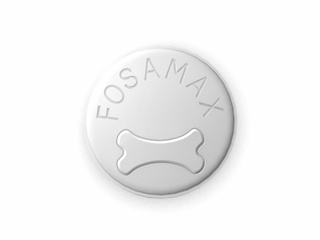
- Tablets: 70 mg (once-weekly)
- Tablets: 10 mg (daily)
- Effervescent tablets, oral solutions (less common)
- Manufacturers: Merck Sharp & Dohme, Sandoz, Apotex, and others
- Prescription Status: Prescription Only Medicine (Schedule 4, S4)
What is Fosamax and How Does it Work?
For Patients: Fosamax (alendronate) belongs to a group of medicines called bisphosphonates. It helps to strengthen your bones and prevent bone loss. It is commonly used in the treatment of osteoporosis and other bone diseases where bone becomes weak and breaks easily. By slowing down bone breakdown, Fosamax helps your bones stay stronger for longer.
For Specialists: Alendronate is a nitrogen-containing bisphosphonate. It selectively adheres to hydroxyapatite binding sites on bony surfaces, inhibiting osteoclast-mediated bone resorption with minimal effects on bone formation. This leads to an overall increase in bone mineral density (BMD) and reduction in fracture risk.
Pharmacokinetics
- Absorption: Low oral bioavailability (∼0.6%), further reduced when taken with food or drinks other than plain water.
- Metabolism: Not metabolised in humans.
- Elimination: Excreted unchanged via urine (remaining circulates and binds to bone for years).
- Duration of Action: Long, due to strong bone binding; effects last beyond discontinuation.
Everyday Use and Best Practices
Fosamax is most often prescribed for adults at risk of, or diagnosed with, osteoporosis, which is common in postmenopausal women and older men. It can also be used for steroid-induced osteoporosis and certain cases of Paget’s disease.
- Typical weekly dosing: 70 mg by mouth, once a week (usual for osteoporosis).
- Some patients: 10 mg tablet taken daily, especially if weekly dosing is not suitable.
- How to use: Always take first thing in the morning with a full glass of plain water, at least 30 minutes before your first food, drink, or other medicines. Remain upright (sitting or standing), do not lie down, and avoid eating or drinking anything other than water during this time.
- English context tip: Try to set a routine—such as after waking up with a cup of water—to remember your weekly dose.
Dosing: Morning vs Evening
- Morning (Recommended):
- Absorption is optimised on an empty stomach.
- Reduces risk of reflux or oesophageal irritation, as you are upright and not lying down after taking the medicine.
- Evening:
- Not recommended: Higher risk of side effects (heartburn, oesophageal ulcers) as patients may lie down soon afterwards and absorption is often poorer.
- Pharmacist’s tip: Set an alarm or calendar reminder for your dose, especially if using the once-weekly formulation.
Taking with Food or on an Empty Stomach
- Food/Drink Effect: Food and most drinks (including tea, coffee, juice, milk) can greatly reduce absorption. A gap of at least 30 minutes before eating or drinking anything but water is essential for the medicine to work properly.
- Australian dietary habits tip: If you’re used to having tea or breakfast as soon as you get up, try to take your Fosamax, then wait the 30 minutes before your usual cuppa or breakfast.
Interaction Warnings
| Interaction (Food/Drug) | Advice/Effect |
|---|---|
| Dairy (milk, yoghurt), juice, tea, coffee, mineral supplements (calcium, magnesium, iron) | Avoid for at least 30 min after taking. Impairs absorption. |
| Antacids | Wait at least 30 min after taking Fosamax before using antacids containing aluminium, calcium, or magnesium. |
| Other oral medicines (HRT, vitamins, etc.) | Take other medicines at least 30 min after Fosamax to avoid interference. |
| Alcohol | Excessive alcohol may increase the risk of side effects and weaken bone further. |
| NSAIDs (e.g., ibuprofen, aspirin) | Use with caution—may increase chances of stomach/oesophageal irritation. |
Indications
| Indication | Status in Australia |
|---|---|
| Treatment of postmenopausal osteoporosis (women) | Approved |
| Prevention of osteoporosis (women/men) | Approved |
| Osteoporosis in men | Approved |
| Glucocorticoid-induced osteoporosis | Approved |
| Paget’s disease of bone | Approved (10 mg daily) |
| Off-label uses (e.g., osteoporosis in younger adults, rare metabolic bone disorders) | Off-label, specialist-directed |
Dosing According to Indication
| Indication | Typical Adult Dose | Paediatric Dose | Elderly Adjustments |
|---|---|---|---|
| Postmenopausal osteoporosis | 70 mg once weekly OR 10 mg daily | Not routinely recommended | No adjustment needed unless severe renal impairment |
| Osteoporosis in men | 70 mg once weekly OR 10 mg daily | Not routinely recommended | No adjustment needed unless severe renal impairment |
| Glucocorticoid-induced osteoporosis | 70 mg once weekly OR 10 mg daily | Specialist decision only | No adjustment needed unless severe renal impairment |
| Paget’s disease | 40 mg daily (not all brands) for 6 months, then review | Specialist only | No adjustment needed unless severe renal impairment |
Safety Profile and Side Effects
- Common:
- Stomach pain, indigestion, or heartburn
- Muscle or joint aches
- Headache
- Constipation or diarrhoea
- Less Common/Rare:
- Oesophageal ulcers or bleeding (especially if not used as directed)
- Jaw bone problems (osteonecrosis), usually with long-term high doses or after dental procedures
- Unusual thigh bone fractures (very rare, with long-term use)
- Eye inflammation (red, painful eyes)
- Allergic reactions (rash, swelling, breathing difficulties—seek urgent help)
- Warnings:
- Do not take if you have difficulty swallowing or severe kidney problems.
- Always take with plain water and remain upright; report swallowing problems to your doctor straight away.
- Tell your dentist before any major dental work.
Guidelines for Proper Use (Practical Tips for Australian Patients)
- Swallow tablet whole with a full glass (approx. 200–250 mL) of plain water, not mineral or flavoured water.
- Take as soon as you wake up, before eating or drinking anything else, or taking other medicines.
- Remain upright (sitting, standing, or walking) for at least 30 minutes after each dose.
- Do not chew, crush, or suck the tablet.
- If you forget a weekly dose, take it the next morning after you remember, then resume your usual schedule. Do not take two tablets on the same day.
- Let your doctor or dentist know you are taking alendronate before having dental surgery.
- Be aware of bone health—ensure an adequate intake of calcium and vitamin D (often from diet or supplements, as advised by your doctor).
- Store at room temperature, away from moisture and out of reach of children.
Alternative Treatment Options
- Risedronate (Actonel): Weekly or daily bisphosphonate; similar efficacy, may be slightly gentler on the stomach for some patients.
- Ibandronate: Monthly oral or 3-monthly IV form; less frequent dosing but not PBS reimbursed for all patients.
- Zoledronic acid (Aclasta): Once-yearly IV infusion; suitable for those unable to tolerate oral therapy.
- Denosumab (Prolia): Six-monthly injection; may be preferred in renal impairment.
- Selective estrogen receptor modulators (SERMs) like raloxifene: Oral; mainly for postmenopausal women, has different side effect profile.
- Teriparatide (Forteo): Daily injections, reserved for severe cases.
Pros & Cons:
- Bisphosphonates (like Fosamax, risedronate) are affordable, with long-term safety data; must be used with care for stomach issues.
- Injectable options (zoledronic acid, denosumab) avoid GI side effects, may suit those with swallowing problems.
- SERMs and other agents have niche roles and individual risks/benefits.
Legal, Registration and Reimbursement Status in Australia
- Registration: Approved by the TGA (Therapeutic Goods Administration).
- Legal Status: Schedule 4 (Prescription Only).
- Reimbursement: Under the Pharmaceutical Benefits Scheme (PBS) for treatment and prevention of osteoporosis (PBS item number applies); eligibility criteria may apply (e.g., confirmed osteoporosis, fracture risk, etc.).
- Private purchase also possible if not eligible under PBS.
Latest Research and Clinical Guidance (2022–2025)
- Updated Australian clinical guidelines continue to recommend bisphosphonates like alendronate as first-line therapy for osteoporosis (RACGP, 2024; Osteoporosis Australia).
- Review of long-term use (beyond 5 years) advises regular ‘drug holiday’ review to balance benefits with rare risks like atypical femoral fractures (Lancet Rheumatology, 2022–2024).
- Combination with adequate calcium and vitamin D remains essential for maximum benefit.
- Effectiveness and safety supported by robust Australian and international research (see RACGP Red Book, 10th ed., Osteoporosis Australia 2023 updates, Lancet Rheumatol. 2024).
Availability and Delivery in Australia
| Pack Size | Typical Retail Price* | Estimated Delivery Time (Sydney, Melbourne, Brisbane, Perth, Adelaide) |
|---|---|---|
| 4 tablets (once-weekly, 1 month’s supply) | $8–$15 (private), PBS patient co-payment applies if eligible | 1–3 business days (retail/online) |
| 12 tablets (3 months’ supply) | $22–$40 (private) | 2–4 business days |
| 28–30 tablets (daily dosing) | $16–$35 (private) | 1–3 business days (most cities) |
| Fosamax Plus D (with vitamin D3) | $20–$45 | 2–5 business days |
*Prices are indicative and vary by pharmacy, insurance status, and location. Check with your pharmacy or PBS for up-to-date information.
FAQ – Common Patient Questions
- How long does it take for Fosamax to start working?
Bone strength improvements begin within 3–6 months; fracture risk reduces as bone density improves over 6–12 months with regular use. - What do I do if I miss a dose?
For weekly dosing: Take it the next morning after you remember. Resume your regular schedule the following week. Do not double up doses. - Can I take Fosamax with my other morning medicines?
No—wait at least 30 minutes after Fosamax (taken with plain water) before taking other medicines, food, drinks, or supplements. - What should I do if I get heartburn or chest pain after taking Fosamax?
Stop taking the medicine and speak to your doctor or pharmacist immediately, especially if symptoms are severe or persistent. These may be signs of oesophageal irritation. - Is long-term use safe?
Most patients can use Fosamax safely for up to 5 years or more, but your doctor will regularly review the need for ongoing therapy and discuss ‘drug holidays’ if appropriate.
For further information, always consult your doctor, pharmacist, or Osteoporosis Australia (https://www.osteoporosis.org.au/).